The opening ceremony of a special exhibition on Korean folk painting was held at Moscow’s State Museum of Oriental Art on February 2, 2018. The exhibition was co-organized by the Korea Foundation, the State Museum of Oriental Art and Gahoe Minhwa Museum.
Held at the invitation of the State Museum of Oriental Art, it marks the institution’s first exhibition of the year as it celebrates its centennial anniversary. The special exhibition features 27 Minhwa (Korean folk painting) specimens covering a range of themes, and presents the hopes and wishes of ordinary Koreans through their images and symbols rooted in traditional Korean thought.
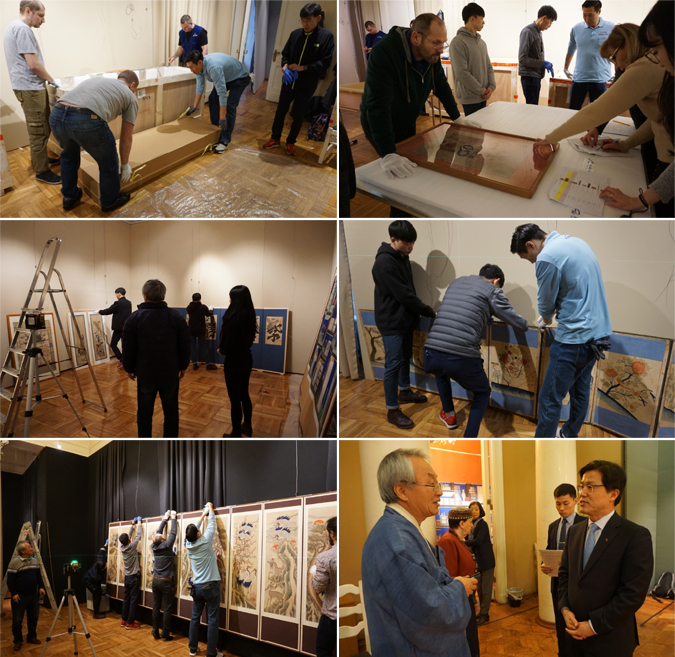
Korean folk painting represents the culture of the common people from the 19th century to the early 20th century, offering unique insight into the experiences of those from generations past. Minhwa portrays natural objects as symbols of love, happiness, longevity, fortune, wealth and honor. Such paintings were first created in the form of decorative screens for use in important ceremonies, including first and sixtieth birthday celebrations and wedding days, and were also used to decorate the family home, adorning walls, doors and other such spaces.
Although many works were produced by anonymous painters without any formal art training, Korean folk painting has proven popular with audiences worldwide due to its unique compositions and palettes.
The works on display at the exhibition cover many of the prevailing themes found in Korean folk painting. They include Hwajodo (flowers and birds), Eorakdo (swimming fish), Munjado (letters), Chaekgeori (books and scholarly articles), Sansudo (mountains and rivers), Gosainmuldo (legendary figures), Hojakdo (tigers and magpies), Sipjangsaengdo (the ten longevity symbols), and Byeoksajangsaengdo (symbols to ward off evil spirits).
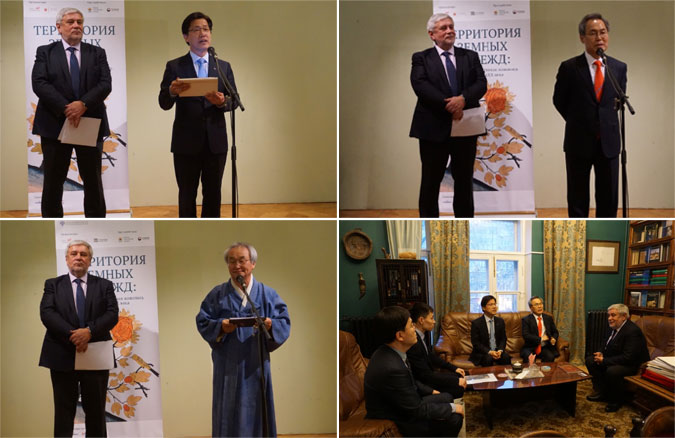
The special exhibition marks the first of its kind to be held on such a large scale in Russia, as previous Minhwa exhibitions held in in the country have been modest in scale, or part of wider events introducing the many facets of Korean art to the public.
The exhibition continues until February 25, and then travels to the National Art Museum of the Republic of Belarus in March, where the Korea Foundation anticipates a similarly warm reception from the Belarusian public.