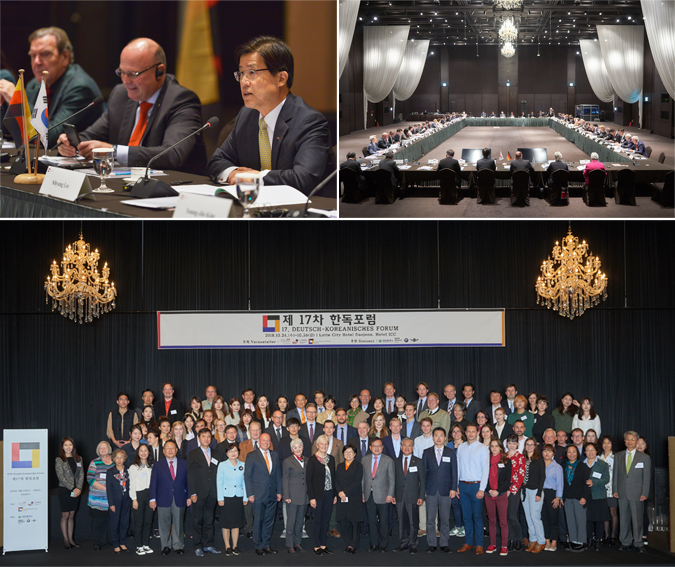
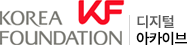
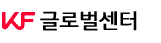
To promote friendship and exchange between the Republic of Korea and Germany, the Korea Foundation and the Koreanisch-Deutsche Gesellschaft e.V.(Korea-Germany Association) co-organized the 17th Korean-German Forum in Daejeon, Korea from October 24 to 26, 2018.
The Korean-German Forum is a permanent dialogue channel between the two countries at the non-governmental level with the participation of about 60 eminent leaders in the political, economic, social and cultural sectors. The participants exchange frank opinions on major issues and seek ways to enhance cooperation between Korea and Germany. The forum has been held annually and alternately in Korea and Germany since the first gathering hosted by the Korea-Germany Association in Seoul in 2002 on the occasion of former German President Johannes Rau’s visit to Korea.
From the Korean side, 25 leaders representing Korea’s political, business and academic sectors attended the 17th Korean-German Forum. Headed by Korea Foundation President Lee Sihyung and Korea-Germany Association President Kim Young-jin, the Korean delegation included Kim Hwang-sik, former Korean Prime Minister; Jong Bum-goo, South Korean Ambassador to Germany; Kim Hyun-cheol, Director General for the New and Renewable Energy Policy Bureau, Ministry of Trade, Industry and Energy; and Kim Sun-wook, former President, Ewha Womans University. From the German side, a total of 34 leaders, headed by former member of the Bundestag Hartmut Koschyk, participated in the forum. The German participants included Pit Heltmann, German Ambassador to North Korea; Gerhard Schröder, former German Chancellor; Rainer Eppelmann, former East German Minister of Defense; Katharina Landgraf, Member of the Bundestag; Stephan Auer, German Ambassador to South Korea; and Theo Sommer, Editor-at-Large, Die Zeit.
At the opening general session of the forum, the Korean and German delegations discussed current issues in the two countries covering their politics, economy and society; opportunities and challenges in the fourth industrial revolution and digitalization; and the two countries’ role in the changing international security order. The Korean and German experts then continued to engage in active discussion at sessions under such topics as bilateral cooperation in transitional job training in the era of the fourth industrial revolution; women’s participation in economic activity caused by population change; the role of and support for small- and medium-sized companies in the era of the fourth industrial revolution; and opportunities and challenges in the energy policy sector.